Château de Maisons-Laffitte: A Graceful Day Trip from Paris
Gracefully poised just beyond Paris, the Château de Maisons-Laffitte unfolds like a chapter from France’s most luminous history. This first entry in the Explore the Enchanting Château de Maisons-Laffitte series invites you into a world shaped by ambition, artistry, and royal favor. More intimate than Versailles yet equally refined, the château rewards the thoughtful traveler with beauty unmarred by crowds. Consider this your literary threshold where history, elegance, and Parisian daydreams quietly converge.
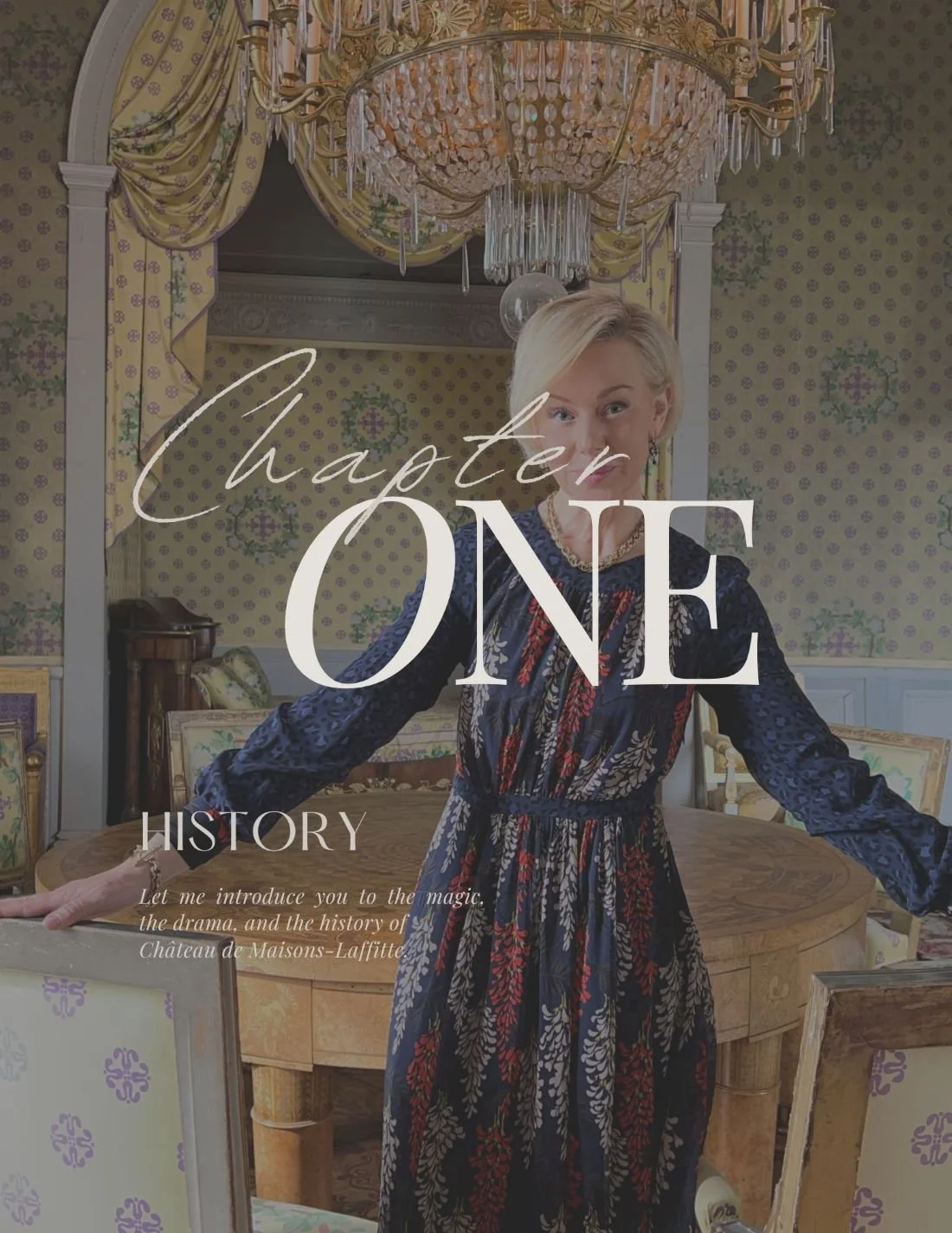
Château de Maisons
A Tale of Majesty and Intrigue
A masterpiece of elegance nestled just outside Paris
Nestled in the idyllic town of Maisons-Laffitte stands a resplendent palace known as the Château de Maisons, now Château de Maisons-Laffitte. This architectural marvel, which seems to rise like a dream from the verdant landscape, destined to be a stage for tales of grandeur, ambition, and intrigue, akin to the stories of old.
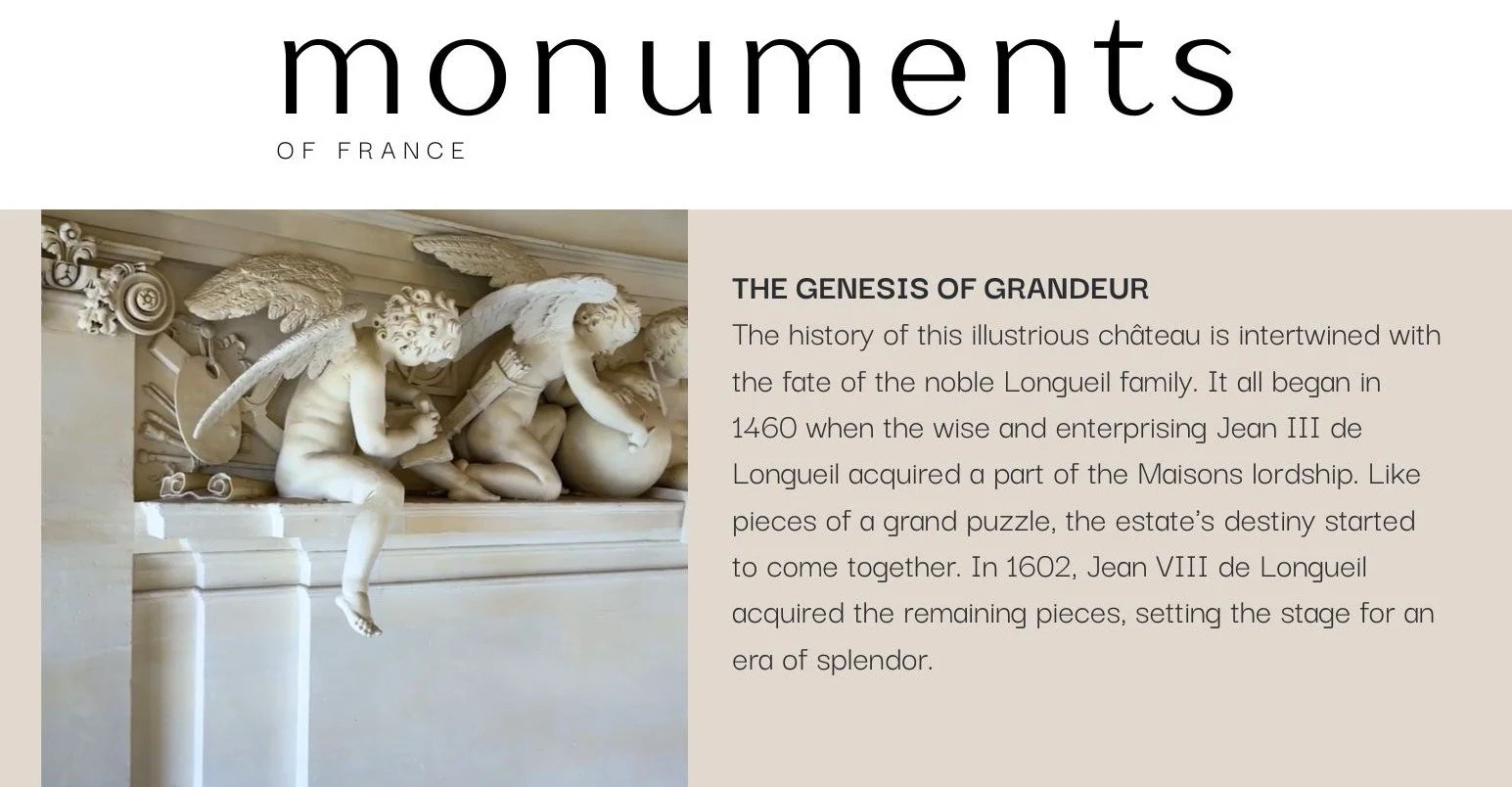
The Rise of René de Longueil
In the early 17th century, the grand estate fell into the hands of René de Longueil, a man of vision and ambition. With the substantial dowry from his beloved, Madeleine Boulenc de Crèvecœur, René envisioned a château so magnificent that even the king would be awed. He enlisted the genius architect François Mansart to breathe life into this vision, and thus began the construction of the Château de Maisons, a beacon of beauty and sophistication.
But as with all grand endeavors, it was not without its trials. Legends tell of Mansart's relentless pursuit of perfection, so much so that he often demolished his own work to start anew, seeking an ideal that only he could see. This obsession bore fruit, however, for the château emerged as a masterpiece of French architecture, embodying the transition from the Renaissance to classicism.
Lets begin..
Royal Visits and Revelries
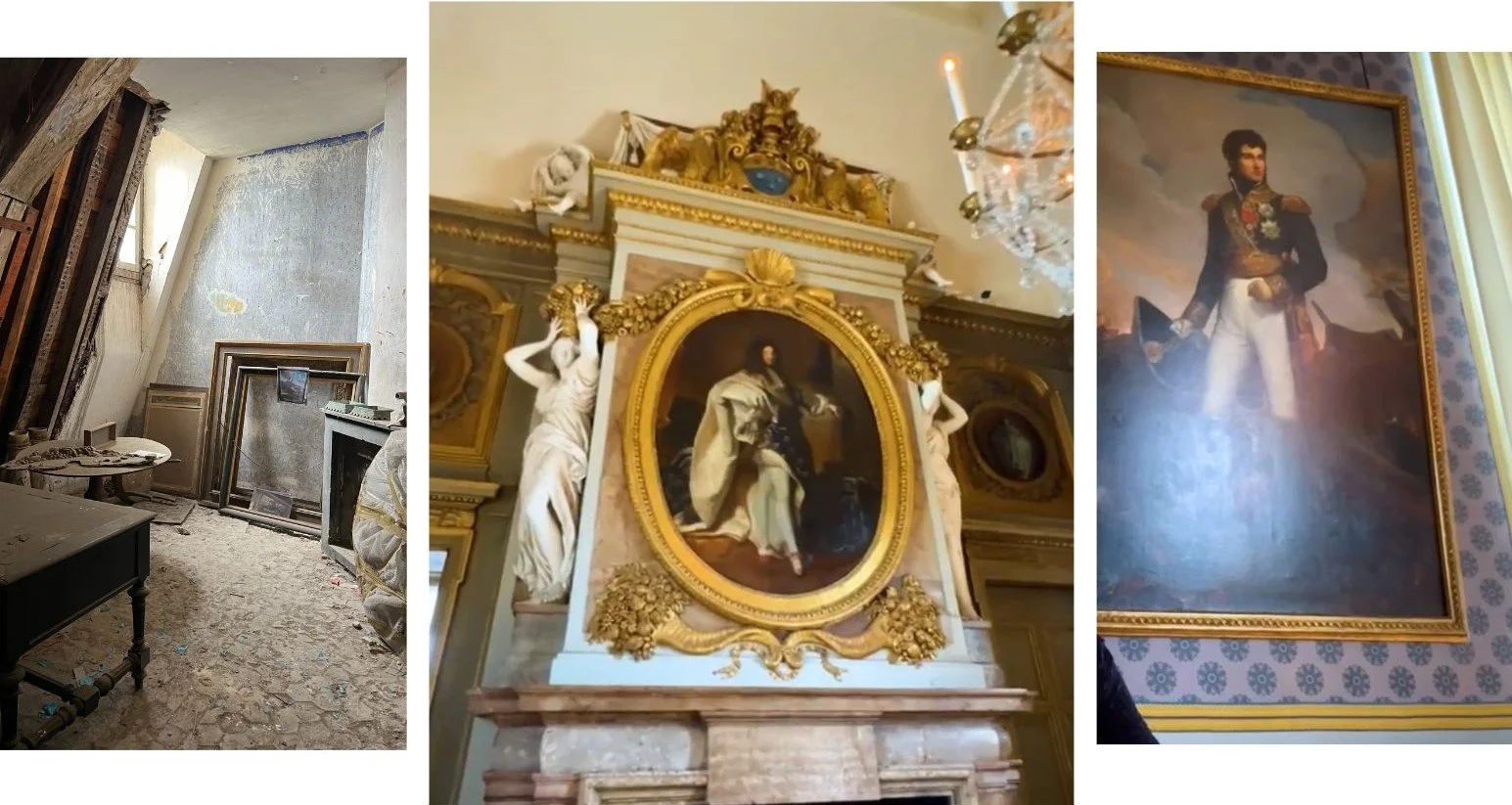
The Château de Maisons soon became a favorite haunt for the royals. On a crisp October day in 1608, the young Dauphin, Louis, future Louis XIII, visited Jean VIII de Longueil for a delightful repast in the park. This was merely the prelude to many royal visits, as the king frequently graced the estate, captivated by its charm.
The most illustrious of these visits occurred in 1651 when the young King Louis XIV, just thirteen and freshly ascended to the throne, graced the château with his presence. René de Longueil, now a prominent figure in the king's court, received him with all the grandeur befitting a monarch. The festivities were sumptuous, with the young king, his brother, and their mother, Anne of Austria, the queen regent, all in attendance. This marked the Château de Maisons as a royal retreat of unmatched elegance.
The Fall and Rise Again
The tide of fortune, however, is ever fickle. After René de Longueil’s death in 1677, the château's brilliance dimmed. By 1723, during a visit to Jean-René de Longueil, the great writer Voltaire fell gravely ill, only to recover in a room that would soon be consumed by fire—a portent, perhaps, of the estate’s turbulent times ahead.
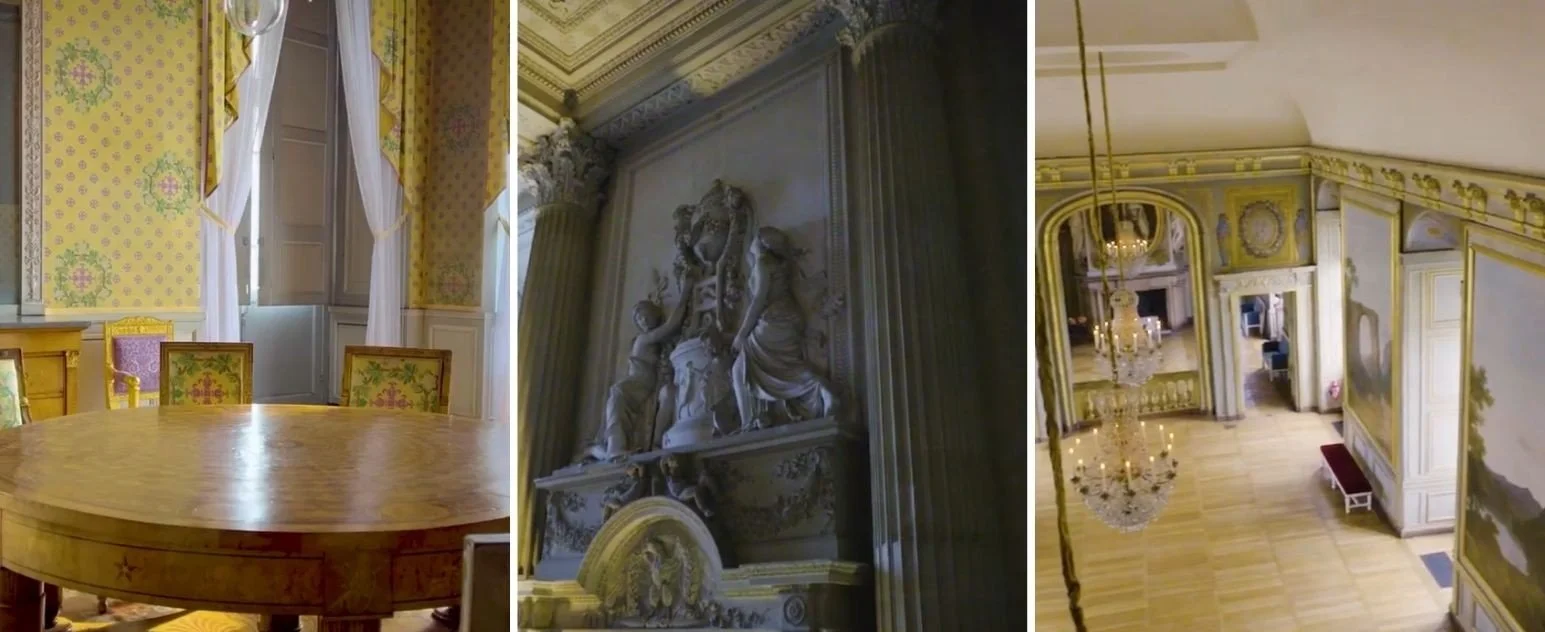
The estate passed through various hands, each owner leaving their mark. In 1777, the Comte d'Artois, brother of Louis XVI and future Charles X, acquired the château. His grand plans for merging the Maisons estate with the Château de Saint-Germain-en-Laye were grandiose but ultimately thwarted by financial woes. The grand renovation was abandoned, leaving the château in a state of melancholy disrepair.
A New Era of Transformation
The revolution brought tumult, and the estate changed hands once more, falling into the possession of a certain citizen Lanchère in 1798. Yet, the winds of change blew favorably when, in 1804, the esteemed Marshal Jean Lannes took ownership, infusing new life into the château.
The 19th century saw further transformations, as the estate was sold to the illustrious banker Jacques Laffitte, bequeathing the current name of the property, Château de Maisons-Laffitte. He, in a bid to recover his fortunes, parceled out the once-grand park, demolishing the stables and selling the materials at a pittance.
The park, once teeming with life and grandeur, now lay divided, a shadow of its former self.
But destiny had not forsaken Château de Maisons-Laffitte. In 1905, recognizing its historical and architectural significance, the state purchased the estate. By 1912, the doors of this majestic château were flung open to the public, inviting all to step into a world of regal splendor.
A Living Monument
Today, the Château de Maisons-Laffitte stands as a testament to the ebbs and flows of fortune, a beacon of beauty, history, and art. Managed by the Centre des monuments nationaux, it continues to enchant visitors, a living monument to the dreams and dramas of centuries past. The château, with its grand halls and intricate gardens, whispers tales of the noble Longueil family, the ambitious Comte d'Artois, and the myriad souls who walked its halls, ensuring that its legacy endures, captivating the hearts of all who enter.