Hôtel de la Marine History: A Majestic Journey Through Paris
The Majestic Drama of the Hôtel de la Marine
Act 1: The Birth of a Monument
In the enchanting year of 1748, amidst the opulence and grandeur of Paris, a new chapter was about to begin. King Louis XV, no longer shadowed by the ghost of Cardinal de Fleury, stood eager to cement his legacy. The city bustled with excitement and anticipation as the monarch, driven by the desire to outshine his predecessor Louis XIV, embarked on a series of grand projects. His ambitions were vast, fueled by the riches of France's booming maritime trade.
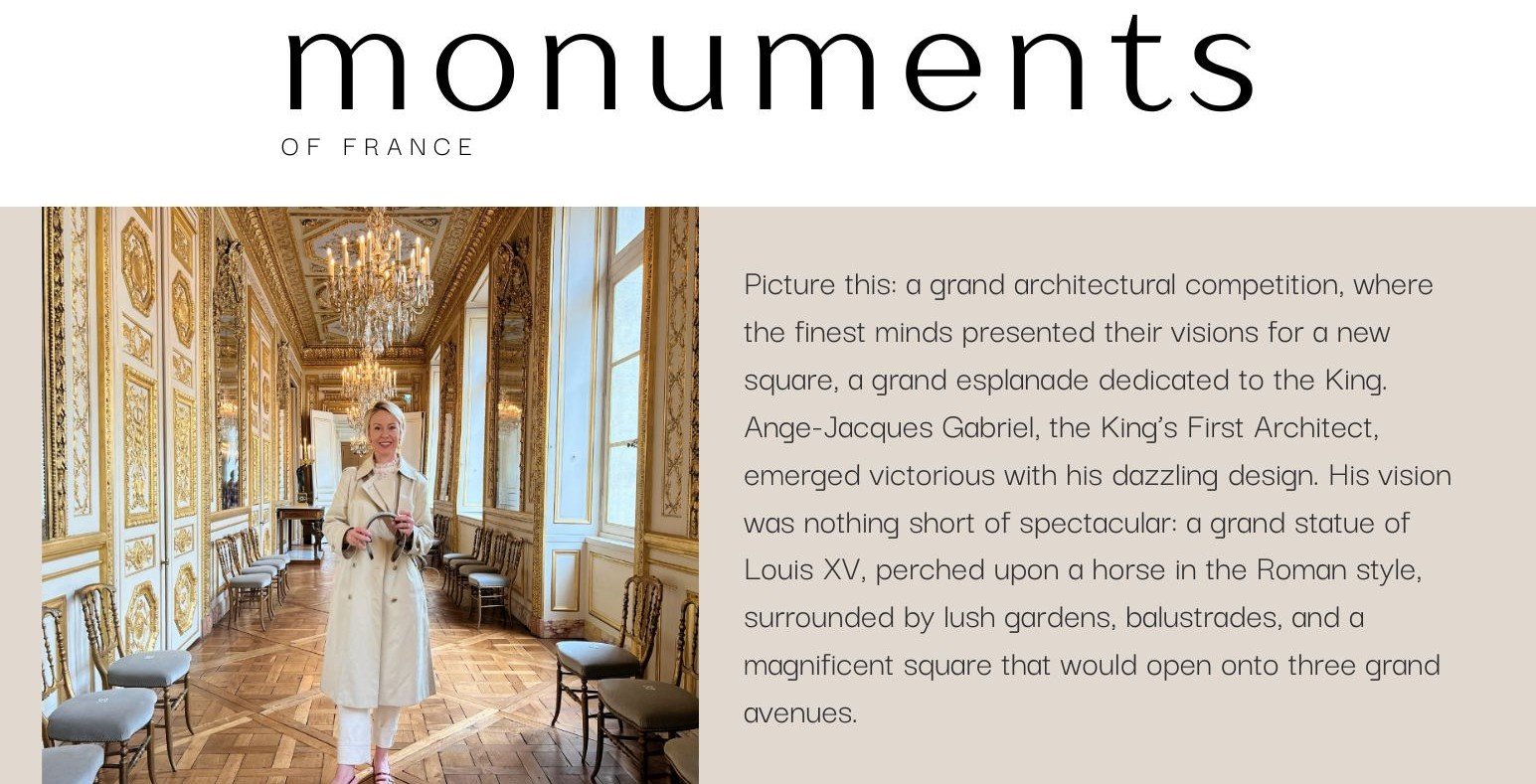
But this was no simple feat. The chosen location was a marshy expanse at the foot of the Roule hill, a place where dreams seemed destined to sink into the mud. Yet, under Gabriel's masterful direction, the facades of two majestic palaces began to rise, casting their shadows over what would soon become the Place Louis-XV, known today as the Place de la Concorde.
Act 2: A Palace of Splendor and Intrigue
Fast forward to 1765. The facades, once mere decorations, now promised a future of unimaginable grandeur. The eastern palace, destined to be the Hôtel de la Marine, began to take shape under the watchful eye of Louis-François Trouard. It was a palace of dreams, intended to house the Garde-Meuble de la Couronne, the repository of the King’s treasures.
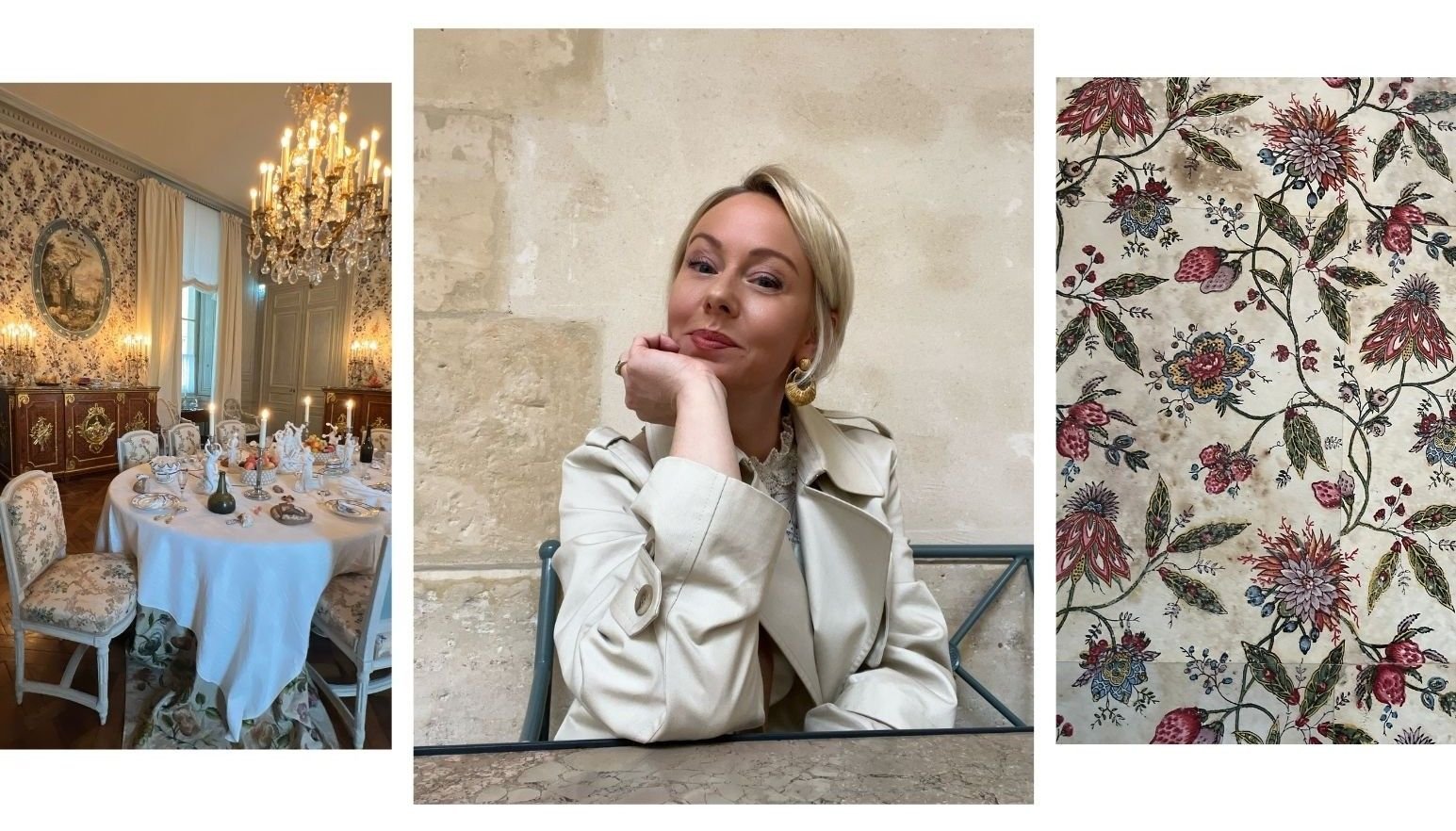
Enter Pierre-Élisabeth de Fontanieu, the Controller General of the King's Furniture Repository. A man of impeccable taste, Fontanieu transformed the hotel into a showcase of the finest 18th-century decorative arts. Imagine walking through rooms filled with exquisite tapestries, shimmering porcelain, and the glittering Crown Jewels. The hotel wasn’t just a repository; it was a living museum, where merchants, artists, and craftsmen paraded their finest wares
In 1777, Fontanieu opened the hotel’s doors to the public, creating the first museum of decorative arts. Visitors, their eyes wide with wonder, could stroll through the Salle d'Armes, marvel at the Galerie des Grands Meubles, and gaze upon the Crown Jewels in the Jewelry Room. It was a spectacle of splendor and luxury, a testament to the glory of France.
Act 3: Revolution and Turmoil
But as the clock struck 1789, the winds of change swept through France. The Revolution was brewing, and the Hôtel de la Marine found itself at the heart of the storm. On a fateful morning in July, Parisian rioters stormed the building in search of weapons. The Intendant, Thierry de Ville d'Avray, was absent, leaving his deputy to face the wrath of the revolutionaries. With cunning skill, he directed them to the Salle d'Armes, diverting their attention from the more precious treasures.
Then came the most audacious heist in history. In September 1792, thieves scaled the hotel’s facade, broke into the Jewelry Room, and made off with the Crown Jewels. For five nights, they feasted and celebrated, undisturbed by the oblivious guards. It was a scene of chaos and revelry, a grand drama where the priceless treasures of France vanished into the night.
The aftermath was a whirlwind of accusations and conspiracy theories. Some believed Thierry de Ville d'Avray had masterminded the theft to finance a counter-revolutionary army. Others pointed fingers at his deputy or even the revolutionaries themselves. The jewels, however, slowly began to resurface, with the infamous "Blue Diamond" reappearing in England, forever transformed into the Hope Diamond.
Act 4: Renewal and Resurgence
The Revolution passed, and the Hôtel de la Marine entered a new era. The Garde-Meuble was abolished, its treasures auctioned or burned. By 1799, the Navy took over, transforming the building to suit its needs. The Hôtel de la Marine became the epicenter of French naval and diplomatic affairs, its grand halls echoing with the whispers of statesmen and the strategies of admirals.
The 19th century saw the building play host to grand events. In 1802, the Bal de l'Europe marked the revival of Parisian social life, bringing together nobles and foreign dignitaries under the glittering chandeliers of the hotel. In 1836, Louis-Philippe I watched from the loggia as the Luxor Obelisk was erected in the square below, a grand spectacle that captivated the city.
In 1848, the Hôtel de la Marine witnessed a historic moment as Victor Schoelcher signed the decree abolishing slavery in the Diplomatic Salon. The building, a silent witness to history, stood tall through the changes and challenges of time.
Act 5: War and Reconstruction
During World War II, the Hôtel de la Marine fell into the hands of the German Kriegsmarine. As Paris endured the horrors of occupation, the hotel’s grand halls were repurposed for the war effort. In the final days of the occupation, it became a strategic vantage point for German soldiers, a silent sentinel watching the liberation of Paris unfold.
With the war over, the Navy began to vacate the premises. By 2006, a grand restoration of the Napoleon III lounges and the colonnade was undertaken. This restoration, a collaboration between the state and the Bouygues company, brought together craftsmen and specialists to restore the building’s former glory.